The Evolving Role of Personal Protective Equipment in Biopharmaceutical Manufacturing
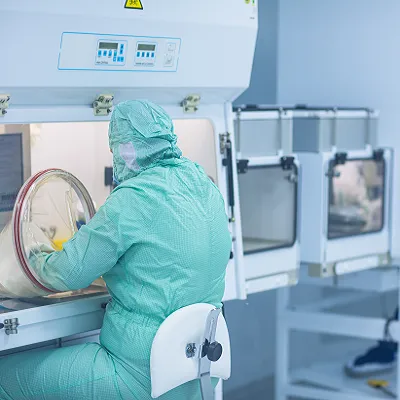
Personal protective equipment (PPE) plays a critical role in ensuring worker safety and maintaining product integrity in biopharmaceutical manufacturing. With the increasing complexity of production, the need for advanced and reliable PPE solutions has never been so great. However, with more than 5.5 million people employed within the industry worldwide, there is a comprehensive network of regulatory standards and evolving safety protocols that aim to minimize contamination risks and protect employees from exposure and risk.
As the biopharmaceutical sector evolves, new challenges are shaping the development and application of PPE. Emerging threats such as antimicrobial resistance and heightened biosafety concerns are requiring manufacturers to rethink their approach to worker protection. But as capital investment has grown by 72% in the sector since 2016 to the present, the funding is there to meet the new challenges.
Current PPE Standards and Guidelines
Biopharmaceutical manufacturing is governed by strict safety regulations designed to prevent contamination and ensure compliance with the World Health Organization’s (WHO) Good Manufacturing Practices (GMP). Regulatory bodies such as the U.S. Food and Drug Administration (FDA), the European Medicines Agency (EMA), and the Occupational Safety and Health Administration (OSHA) have also established clear guidelines for PPE use.
The WHO dictates that workers wear appropriate PPE, including gloves, suitable work pants, gowns, masks, and face shields, when handling biologics and other sensitive materials. The required PPE should be based on the specific risk factors associated with each manufacturing process. For example, working in cleanrooms requires aseptic PPE designed to prevent microbial contamination, while handling hazardous chemicals necessitates the use of specialized respirators and chemical-resistant gloves.
In addition, the International Society for Pharmaceutical Engineering (ISPE) and the WHO provide additional best practices to enhance PPE effectiveness. These guidelines highlight the importance of proper training and routine inspections to ensure PPE maintains its efficacy over time.
New Challenges Facing Biopharmaceutical Manufacturers
New and unique challenges are arising that impact PPE selection and implementation. One of the most pressing issues is the need for enhanced protection against highly potent biologics, including monoclonal antibodies and gene therapies. As these become more advanced, the potential for exposure to hazardous agent’s increases, necessitating the use of more sophisticated PPE.
Another challenge is the increased demand for single-use technologies. Disposable PPE offers contamination control benefits but also raises environmental and sustainability concerns, not to mention cost issues. It is essential to balance safety with sustainable alternatives that minimize waste while maintaining regulatory compliance.
Additionally, global supply chain disruptions have highlighted the vulnerabilities of PPE procurement. It’s not surprising that businesses are focusing on creating more resilient supply chains by sourcing locally and investing in reusable equipment to reduce dependency.
Innovations in PPE Design and Materials
Advancements in PPE technology have improved protection levels and comfort for workers. Modern materials are lightweight, breathable, and resistant to chemical and biological contaminants. Some of the most notable innovations include
- Smart fabrics: These advanced materials incorporate antimicrobial properties and real-time monitoring capabilities, enabling early detection of contaminants.
- Self-sterilizing PPE: This integrates nanotechnology-based coatings that actively eliminate pathogens on contact, reducing the need for frequent replacements.
- Enhanced respiratory protection: The development of high-efficiency particulate air (HEPA) filtration masks and powered air-purifying respirators (PAPRs) provides superior protection against airborne contaminants.
- Eco-friendly alternatives: Manufacturers are exploring biodegradable and recyclable PPE options, including bio-based polymers that are used to create compostable gloves and gowns, offering the same protective qualities as traditional materials.
Enhancing Worker Safety and Compliance
Ensuring worker safety goes beyond just providing PPE. It also requires comprehensive training and adherence to best practices. Businesses must invest in comprehensive training programs to educate employees on proper PPE usage, storage, and disposal. Regular audits and inspections can also help to identify gaps in compliance and reinforce high safety standards.
Automated compliance tracking systems are also becoming popular, with digital monitoring tools ensuring workers are wearing PPE correctly. These systems can integrate with facility management software to provide real-time alerts when protocols are not being followed.
In addition, creating a strong culture of best practice and safety encourages employees to prioritize protective measures. Workers should be actively engaged in discussions about PPE, and feedback should always be encouraged.
Future Directions and Industry Trends
The future of PPE is being shaped by a combination of the advancements in material science, digital technology, and regulatory changes. Key trends expected to drive industry progress in the coming years include
- Wearable technology: Smart PPE equipped with sensors can monitor environmental conditions, detect hazardous exposure, and provide real-time alerts.
- Personalized PPE solutions: Custom-fitted PPE based on biometric data will improve comfort and effectiveness, reducing the risk of accidental exposure.
- Automation and robotics: The increased use of robotic systems in biomanufacturing may reduce the need for human intervention in hazardous environments, minimizing PPE reliance. This has other benefits, with 30 to 40% of the deviations encountered in the pharmaceutical industry traced back to some kind of human failure during handling.
- Regulatory adaptations: As processes evolve, regulators are expected to update PPE requirements to align with new safety challenges and technological advancements.
By staying ahead of these trends, biopharmaceutical manufacturers can continue to improve worker protection and maintain compliance with global safety standards.
Conclusion
The role of PPE in biopharmaceutical manufacturing is changing thanks to a number of new challenges, but innovative solutions are pointing the direction to the future. But with more than $126 billion of investment between 2018 and 2022, the industry is second only to the motor vehicle sector in terms of financial growth. However, as industry demands grow, manufacturers need to implement advanced protective equipment and keep pace with compliance practices.
There is also a key need to invest in sustainable alternatives to potentially wasteful products. However, the primary focus should always be on worker safety, but by embracing cutting-edge technology, it is possible for the biopharmaceutical sector to continue to deliver life-saving treatments while maintaining the highest safety standards.
Author Bio:
 Nick Warrick is the Sales Manager at All Seasons Uniforms. With over 15 years of experience in the work uniform business, he has worked with over 100 clients across 20 different industries. Holding bachelor’s degrees in both Business Administration and Information Technology, Warrick revamped the company’s online presence, offering its customers a new uniform shopping experience.
 Media Pack Download
 Newsletters
 Industrial Events