MicroDerm Drug Delivery
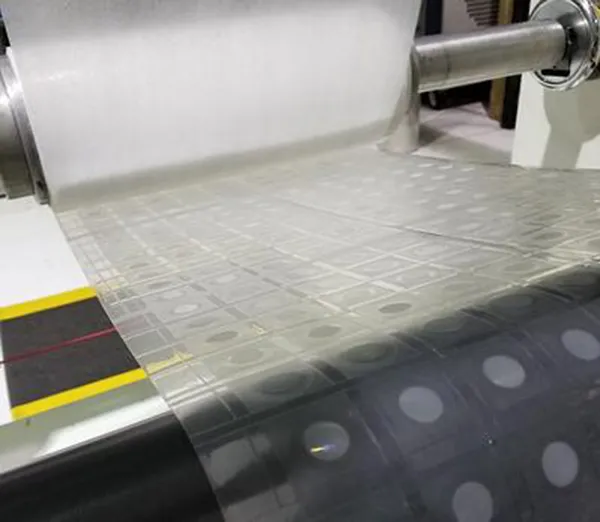
MicroDerm Drug Delivery
CLEAN, SAFE, EFFECTIVE
MicroDerm™ is a commercial transdermal patch application that utilizes microneedle technology to deliver a wide range of drugs to patients. The patch, with tiny microneedles, penetrates the skin just enough to enable the drug to enter the bloodstream, but not so far as to create the pain or inconvenience associated with hypodermic needles.
The biggest impact MicroDerm™ will have is providing safe, effective alternatives to needles and shots—relating to vaccines, diabetes management, large molecule delivery, protein and peptide delivery, and biologics.
COLLABORATION IS KEY
As an expert in transdermal patch formulation, design, development, and manufacturing, Tapemark™ recognizes the opportunity as a transdermal CDMO to continue to prioritize innovation in the pharmaceutical industry. In an effort to commercialize MicroDerm™, we’re entering into a strategic collaboration with 10x Technology, a micro-structured solution company based in Illinois.
Founded in 2005, 10x Technology provides Tapemark with a sustainable manufacturing process ensuring consistent and precision replication of MicroDerm™. The dual investment in transdermal pharmaceutical research and development benefits patients around the world suffering from unmet needs due to various diseases and medical ailments.
WHO DO WE WORK WITH?
We approach collaboration with an eye for synergy: our strengths paired with their strengths to create a new offering or concept that might be too big to develop on our own. The vetting process involves market analysis, competitor analysis, technical analysis, and most importantly, people analysis.
- 100 - 2,000Range of needles on a patch
- 20Years of product and process development
BENEFITS OF MICRODERM™
- Delivery of large molecules previously not deliverable with traditional transdermal systems
- Greater bioavailability of active ingredients vs oral administration
- Fewer side effects vs oral administration
- New therapeutics not previously administered via transdermal delivery due to molecule and permeation limits
- Improved compliance to dosing schedules vs oral administration
- Better outcomes via improved pharmacokinetic profiles and greater compliance
- Lower system healthcare spend given better outcomes in the target population